









How to Structure SLA Response Times for Mission-Critical Software: The SRE Playbook
SLA Frameworks
How enterprise organizations structure contractual Service Level Agreements (SLAs), P1/P2 escalation matrices, automated alerting runbooks, and blameless post-mortems.
Custom-Built
Turning your unique business aspirations into technology designed specifically around them.
Cloud-Native
Building digital foundations designed to scale, adapt, and evolve as your ambitions grow.
AI-First
Bringing practical intelligence into your products and operations where it can create meaningful impact.
No Vendor Lock-In
Creating flexible technology that keeps your business in control of its systems, data, and future.

Key Architectural Takeaways
Critical implementation principles for engineering leadership and technical stakeholders.
Takeaway 01
Severity Level Matrix: Defining objective criteria for P1 (Critical Outage) through P4 (Minor Inconvenience).
Takeaway 02
Automated Alert Deduplication & Paging: Integrating PagerDuty and Opsgenie with threshold-based incident dispatch.
Takeaway 03
Blameless Post-Mortems: Analyzing root causes and generating actionable Jira remediation tasks without personal finger-pointing.
In-Depth Architectural Analysis
When Every Second Counts: Structuring Enterprise SLAs
When a mission-critical software application crashes during peak commercial operations, vague promises of 'best effort support' are unacceptable to enterprise executives and customers. Operational excellence requires contractually defined Service Level Agreements (SLAs), clear Service Level Objectives (SLOs), and aggressive Mean Time to Acknowledge (MTTA) and Mean Time to Resolve (MTTR) metrics.
The Objective Severity Matrix
Effective incident response begins with unambiguous severity definitions:
- P1 (Critical Outage): Core revenue-generating or customer-facing operations are completely halted (e.g., checkout offline, database down). Guaranteed acknowledgment within 15 minutes 24/7.
- P2 (Major Degradation): Core functionality operates with significant performance degradation or key secondary features are broken with no workaround. Guaranteed response within 1 hour.
- P3 (Moderate Issue): Non-critical operational friction with an identified temporary workaround. Guaranteed response within 4 hours.
- P4 (Minor Request): Cosmetic defects or standard administrative inquiries handled during regular business hours.
Automated Alerting, Paging & Runbook Execution
Alert fatigue is the primary cause of missed incidents. Anvelos configures Prometheus Alertmanager to aggregate alerts and dispatch actionable notifications to on-call engineers via phone calls, SMS, and dedicated Slack incident channels, complete with pre-compiled diagnostic runbook links.
The Blameless Post-Mortem Process
Resolving an incident is only half the battle; preventing recurrence is what builds long-term reliability. Our engineering pods conduct blameless post-mortems focusing on timeline reconstruction, root cause analysis (5 Whys), and implementing automated architectural invariants in code.
Discover our guaranteed response times and SLA-backed backend support services.
Explore Related Publications
Actionable guides designed to help technical leaders make confident engineering decisions.

Autonomous AI Agents for Business: Architecture, LLM Tool Calling & Production Guide
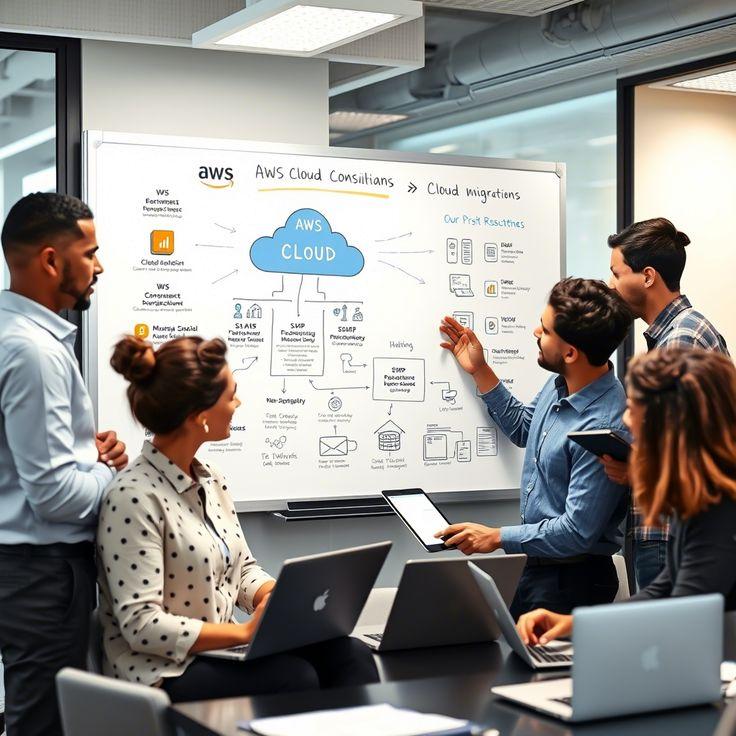
Enterprise Cloud Migration Strategy: The Step-by-Step AWS, Azure & GCP Playbook

Bespoke Custom Software Architecture: Build vs. Buy Framework & Scalability Guide
Start With a Conversation
Connect with the Anvelos engineering team to discuss your software, AI, cloud, or digital transformation requirements. We’ll understand your business objectives, technical constraints, and priorities before outlining a practical path toward implementation.