

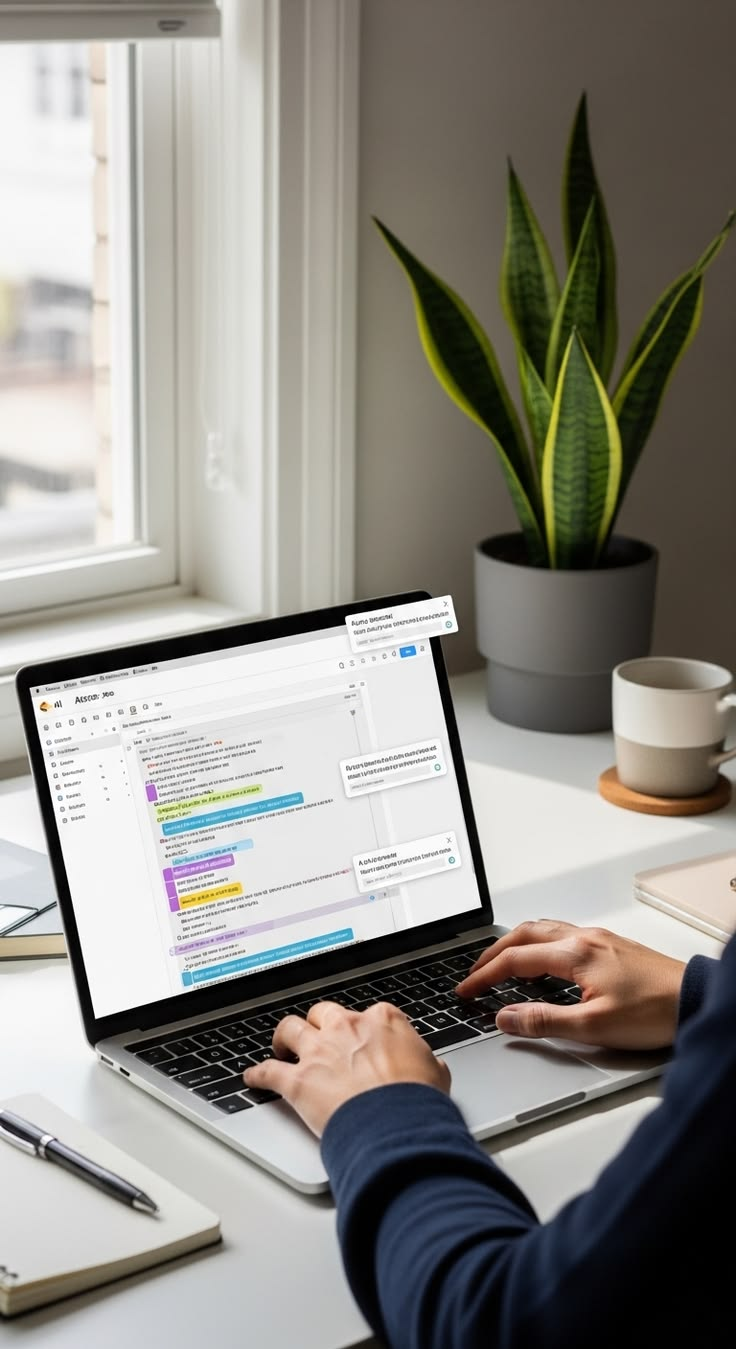



Building Cross-Platform Desktop Applications: Electron vs. Rust Tauri vs. C++ Guide
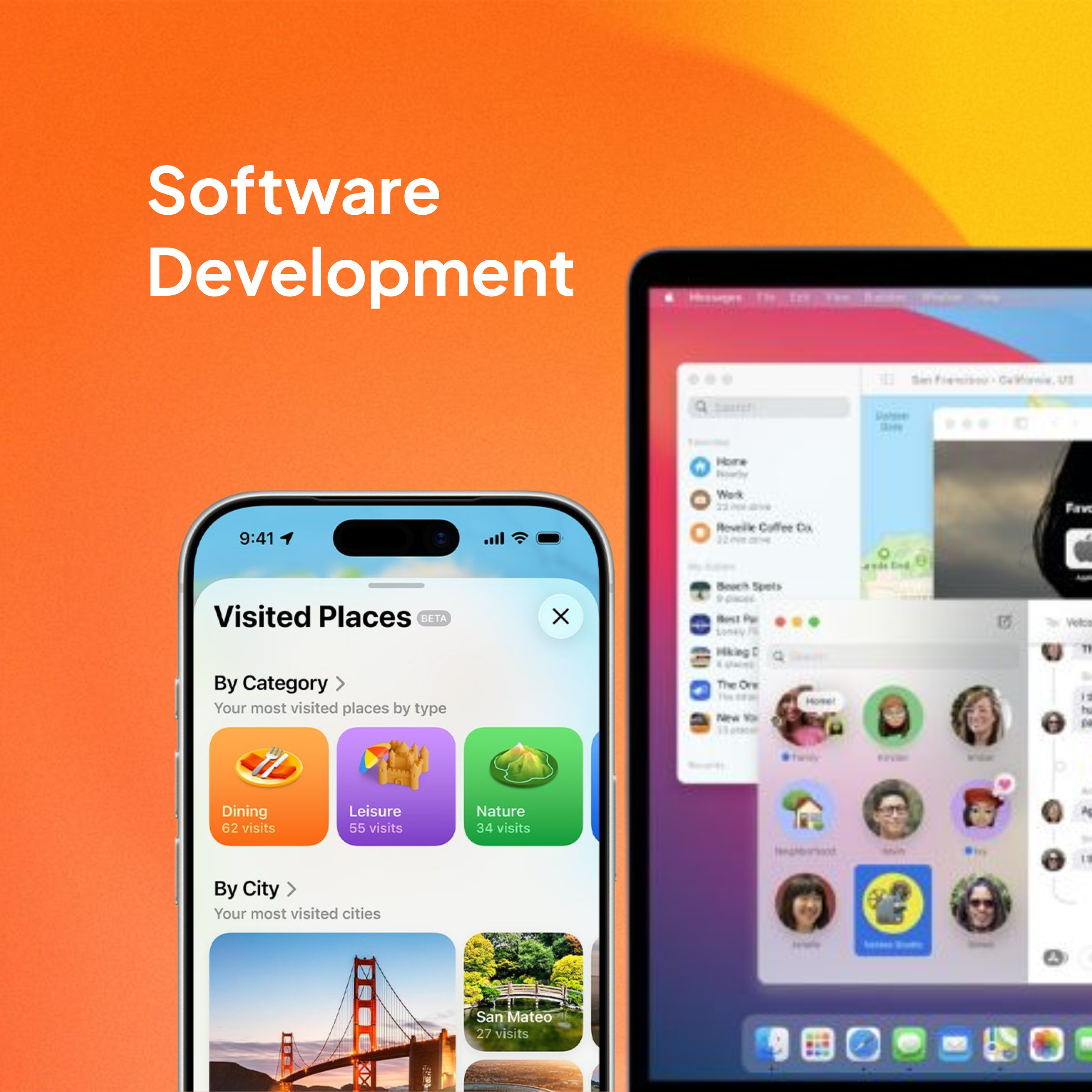
Desktop Systems
An architectural guide to engineering secure, low-latency cross-platform desktop applications for Windows, macOS, and Linux using modern multi-process runtimes.
Custom-Built
Turning your unique business aspirations into technology designed specifically around them.
Cloud-Native
Building digital foundations designed to scale, adapt, and evolve as your ambitions grow.
AI-First
Bringing practical intelligence into your products and operations where it can create meaningful impact.
No Vendor Lock-In
Creating flexible technology that keeps your business in control of its systems, data, and future.
Key Architectural Takeaways
Critical implementation principles for engineering leadership and technical stakeholders.
Takeaway 01
Runtime Selection: Comparing Electron's rich ecosystem against Tauri's lightweight 15MB Rust binary footprint.
Takeaway 02
Multi-Process Sandboxing: Separating UI renderers from native OS background worker threads via secure IPC.
Takeaway 03
Automated Code Signing & Updates: Configuring differential background updates and Apple Notarization.
In-Depth Architectural Analysis
The Modern Revival of Native Desktop Software
While web applications have largely dominated enterprise tooling, complex workflows—such as local audio/video rendering, low-latency peripheral hardware interfacing, high-frequency trading terminals, and offline industrial automation—require the raw speed, local storage access, and memory efficiency of desktop applications.
Engineering modern desktop applications requires choosing the right balance between rapid UI iteration and low-level system performance.
Evaluating Runtimes: Electron vs. Tauri (Rust) vs. C++/Qt
Desktop architects must evaluate memory overhead, bundle size, and hardware execution capabilities:
- Electron (Node.js + Chromium): Powers industry giants like VS Code, Slack, and Figma. Delivers rapid cross-platform UI development with web technologies, but carries higher RAM overhead (~150MB baseline).
- Tauri (Rust + OS Webview): Uses the host operating system's native webview (WebKit on macOS, WebView2 on Windows) backed by high-performance Rust logic. Produces tiny binary bundles (under 15MB) with minimal memory consumption.
- C++ with Qt / WinUI: The ultimate choice for compute-intensive 3D rendering, DSP audio processing, or direct device driver manipulation.
Multi-Process Security & IPC Bridges
Desktop applications possess powerful native OS access that web browsers restrict. To prevent arbitrary code execution, modern desktop architectures enforce strict multi-process sandboxing: rendering windows have zero direct filesystem or shell access, communicating exclusively with trusted main processes via typed, schema-validated Inter-Process Communication (IPC) channels.
Explore our high-performance desktop application development services.
Explore Related Publications
Actionable guides designed to help technical leaders make confident engineering decisions.

Autonomous AI Agents for Business: Architecture, LLM Tool Calling & Production Guide
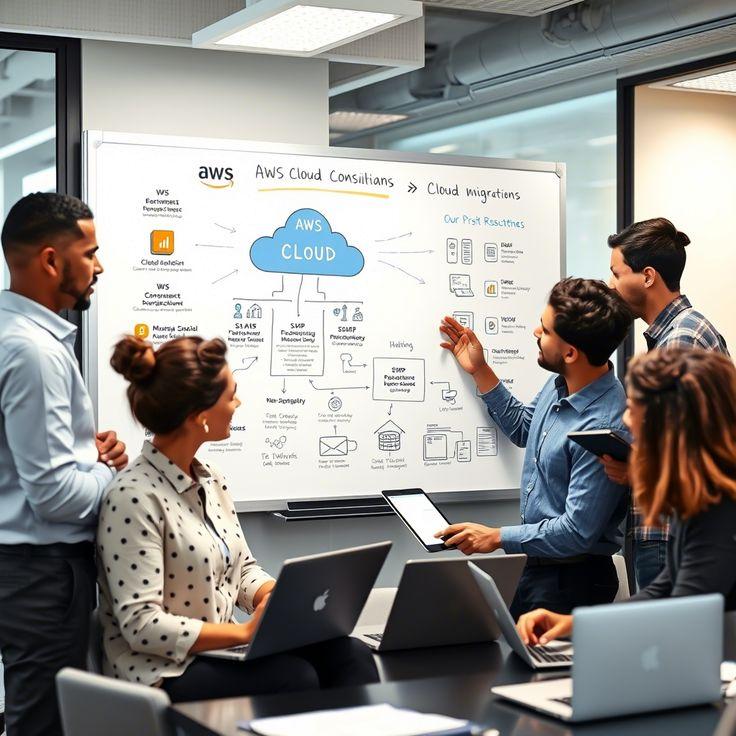
Enterprise Cloud Migration Strategy: The Step-by-Step AWS, Azure & GCP Playbook

Bespoke Custom Software Architecture: Build vs. Buy Framework & Scalability Guide
Start With a Conversation
Connect with the Anvelos engineering team to discuss your software, AI, cloud, or digital transformation requirements. We’ll understand your business objectives, technical constraints, and priorities before outlining a practical path toward implementation.